The Audi Q3: Urban Driving to High Performance
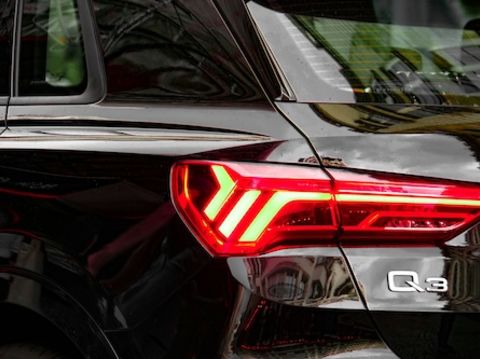
The Audi Q3 combines the elevated driving position and versatility of an SUV with dimensions that make it easier to manage than larger models such as the Q5 and Q7. Since its introduction, it has developed from a relatively straightforward compact SUV into a much broader range that includes petrol, diesel, plug-in hybrid, quattro and high-performance Audi Sport versions.
Used buyers have several generations to choose from, and the differences extend well beyond trim level. A Q3 35 TFSI provides a very different ownership proposition from a 40 TDI quattro, while the previous-generation 45 TFSI e adds plug-in hybrid capability. The RS Q3 sits at the opposite end of the spectrum with a five-cylinder engine and 400 PS.
Audi introduced the third-generation Q3 in 2025, bringing an entirely new interior, updated petrol and diesel engines and a much more capable e-hybrid powertrain.
This guide explores the main Audi Q3 models buyers are likely to encounter and explains how the engines, body styles and specifications differ.
Audi Q3 SUV
The Q3 is Audi's compact premium SUV, positioned beneath the larger Q5. It offers five seats and a conventional SUV body, making it suitable for commuting, family driving and longer journeys without occupying the road space of Audi's larger SUV models.
Three generations have now been produced. The first Q3 arrived in 2011, the second generation followed in 2018 and Audi launched the third generation in 2025. Audi states that more than two million Q3s were sold worldwide across the first two generations.
Within the used market, some of the principal versions include:
- Audi Q3 35 TFSI - A 150 PS petrol model and one of the most common second-generation Q3 variants.
- Audi Q3 40 TFSI quattro - A stronger petrol alternative with quattro all-wheel drive.
- Audi Q3 35 TDI - A 150 PS diesel aimed particularly at drivers covering longer distances.
- Audi Q3 40 TDI quattro - A more powerful diesel combining stronger performance with all-wheel drive.
- Audi Q3 45 TFSI e - The previous-generation plug-in hybrid, combining petrol and electric power.
- Audi Q3 Sportback - A more coupé-inspired interpretation of the Q3.
- Audi RS Q3 - A 400 PS performance SUV developed by Audi Sport.
- Audi RS Q3 Sportback - Combines the RS drivetrain with the lower-roofed Sportback body.
Audi Q3 35 TFSI
The Audi Q3 35 TFSI is one of the most widely available petrol versions of the second-generation model.
It uses a 1.5-litre turbocharged four-cylinder petrol engine producing 150 PS. Depending on age and specification, buyers can find both manual and S tronic automatic examples, although automatics are particularly common within the prestige used market.
The engine also incorporates cylinder-on-demand technology on relevant versions, allowing cylinders to deactivate when less power is required.
Used specifications include:
- Audi Q3 35 TFSI Technik - A more straightforward specification with the core equipment expected from the Q3.
- Audi Q3 35 TFSI Sport - Adds further comfort and styling equipment.
- Audi Q3 35 TFSI S line - Introduces more purposeful S line bodywork and interior detailing.
- Audi Q3 35 TFSI Black Edition - Adds darker exterior features and distinctive alloy wheels.
- Audi Q3 35 TFSI Vorsprung - A high-specification version with an increased focus on technology and comfort.
Audi Q3 40 TFSI quattro
The Q3 40 TFSI quattro provides considerably more performance than the 35 TFSI while adding all-wheel drive.
Second-generation versions use a 2.0-litre turbocharged petrol engine. Later examples commonly produce around 190 PS, with an S tronic automatic gearbox and quattro as part of the drivetrain.
The larger engine and additional traction make the 40 TFSI particularly suitable for buyers who want stronger acceleration than the 35 TFSI but do not require an RS Q3.
Specifications can include:
- Audi Q3 40 TFSI quattro Sport
- Audi Q3 40 TFSI quattro S line
- Audi Q3 40 TFSI quattro Black Edition
- Audi Q3 40 TFSI quattro Vorsprung
The same engine can also be found in Q3 Sportback models, combining the stronger petrol drivetrain with the more heavily styled body.
Audi Q3 35 TDI
The Audi Q3 35 TDI is one of the main diesel versions of the second-generation SUV.
It uses a 2.0-litre four-cylinder diesel producing 150 PS. Compared with the equivalent petrol model, the principal advantage is stronger diesel torque and a power delivery that can be particularly well suited to regular motorway use.
Used examples can be found in specifications including:
- Audi Q3 35 TDI Technik
- Audi Q3 35 TDI Sport
- Audi Q3 35 TDI S line
- Audi Q3 35 TDI Black Edition
- Audi Q3 35 TDI Vorsprung
Depending on model year, drivetrain and transmission combinations vary, so checking the individual vehicle remains important.
Audi Q3 40 TDI quattro
The Q3 40 TDI quattro takes the diesel Q3 further by adding more power and all-wheel drive.
Later second-generation versions produce approximately 200 PS from their 2.0-litre TDI engine, with power delivered through an S tronic transmission and quattro system.
This makes the 40 TDI considerably more performance-oriented than the 35 TDI while preserving the characteristics that can make diesel attractive for longer journeys.
Used specifications include:
- Audi Q3 40 TDI quattro Sport
- Audi Q3 40 TDI quattro S line
- Audi Q3 40 TDI quattro Black Edition
- Audi Q3 40 TDI quattro Vorsprung
The engine was also offered in the Q3 Sportback, allowing buyers to choose between the conventional SUV shape and a more coupé-influenced body.
Audi Q3 45 TFSI e
Audi introduced plug-in hybrid technology to the second-generation Q3 through the 45 TFSI e.
The model combines a 1.4-litre TFSI petrol engine with an electric motor and rechargeable battery. It was introduced to the UK Q3 range for the 2022 model year and was available in both conventional SUV and Sportback forms.
The combined system produces 245 PS, giving the Q3 considerably more performance than the regular 35 TFSI while adding the ability to complete shorter journeys using electric power.
Used specifications can include:
- Audi Q3 45 TFSI e Sport
- Audi Q3 45 TFSI e S line
- Audi Q3 45 TFSI e Black Edition
- Audi Q3 45 TFSI e Vorsprung
The Q3 45 TFSI e is most useful when it can be charged regularly. Drivers with home or workplace charging may be able to complete a substantial proportion of shorter journeys without using the petrol engine.
Audi Q3 Sportback
The Audi Q3 Sportback arrived during the second generation as a more style-focused alternative to the standard Q3 SUV.
Its roofline slopes more noticeably towards the rear, creating a coupé-inspired shape while retaining five doors and five seats.
The majority of the second-generation Q3 engine range was also available in Sportback form, including:
- Audi Q3 Sportback 35 TFSI
- Audi Q3 Sportback 40 TFSI quattro
- Audi Q3 Sportback 35 TDI
- Audi Q3 Sportback 40 TDI quattro
- Audi Q3 Sportback 45 TFSI e
- Audi RS Q3 Sportback
Choosing between the standard Q3 and Q3 Sportback is therefore often more about design and practicality than engine availability.
Audi RS Q3
The RS Q3 sits at the performance end of the previous-generation range and is fundamentally different from a conventional Q3 wearing S line or Black Edition trim.
Audi Sport equips the second-generation RS Q3 with a 2.5-litre five-cylinder TFSI engine producing 400 PS and 480 Nm of torque. It uses a seven-speed S tronic transmission and quattro all-wheel drive.
Audi quotes 0-62 mph in 4.5 seconds, placing the RS Q3 firmly within performance-car territory despite its compact SUV body.
The five-cylinder engine is one of the defining features of the model and gives the RS Q3 a character that is noticeably different from the four-cylinder petrol and diesel versions.
Used variants include:
- Audi RS Q3
- Audi RS Q3 Sport Edition
- Audi RS Q3 Vorsprung
- Audi RS Q3 Sportback
- Audi RS Q3 Sportback Sport Edition
- Audi RS Q3 Sportback Vorsprung
Audi originally launched the second-generation RS Q3 and RS Q3 Sportback in standard, Audi Sport Edition and Vorsprung specifications.
Audi Q3 S line vs Black Edition vs Vorsprung
Choosing an engine is only part of selecting a used Q3. Audi offered a wide variety of trim levels during the second generation, and the equipment and appearance can differ significantly.
S line introduces a sportier look through more aggressive exterior bodywork, larger wheels and S-specific cabin detailing. It does not automatically provide a more powerful engine.
Black Edition generally builds on the sportier styling with additional dark exterior detailing and distinctive alloy wheels.
Vorsprung traditionally sits towards the top of Audi's equipment hierarchy and provides a more comprehensive selection of comfort, technology and assistance equipment.
Other specifications include Technik and Sport, which generally have a less aggressive exterior treatment.
Audi continued updating the Q3's equipment throughout its lifespan, including changes to Vorsprung and Black Edition models for the 2022 model year.
As a result, a trim badge should not be used as the sole guide to specification. Optional equipment fitted when new can make two apparently identical used Q3s very different.
First-Generation Audi Q3
The original Audi Q3 was launched in 2011 and remains widely available at more accessible prices on the used market.
These vehicles pre-date the 35 and 40 engine naming system used extensively on the second generation, so buyers will instead see engine-capacity-based names.
Versions include:
- Audi Q3 1.4 TFSI
- Audi Q3 2.0 TFSI quattro
- Audi Q3 2.0 TDI
- Audi Q3 2.0 TDI quattro
- Audi RS Q3
Trim names also differ, with specifications such as SE, Sport and S line appearing across different years.
The original RS Q3 is particularly notable because it introduced Audi's five-cylinder performance engine into the Q3 family before the arrival of the later 400 PS model.
New Audi Q3 TFSI 150 PS
The third-generation Q3 brings a completely redesigned model and a new engine structure.
The starting petrol engine is a 1.5-litre TFSI producing 150 PS and 250 Nm, paired with a seven-speed S tronic transmission.
It effectively occupies the position previously held by the Q3 35 TFSI, providing the most accessible petrol route into the new generation.
The latest UK Q3 also introduces a redesigned cabin with a panoramic curved display and revised controls, including gear selection positioned on the steering column rather than the centre console.
Current trim levels include:
- Audi Q3 Technik
- Audi Q3 Sport
- Audi Q3 S line
- Audi Q3 Black Edition
New Audi Q3 TDI 150 PS
Audi has retained diesel power in the third-generation Q3.
The current 2.0-litre TDI produces 150 PS and 360 Nm, using a seven-speed S tronic automatic gearbox.
Its role is broadly similar to the previous 35 TDI, providing greater torque than the starting petrol model while avoiding the additional power and all-wheel-drive hardware of higher-output variants.
For long-distance use, the 150 PS TDI remains one of the most straightforward choices within the latest Q3 range.
New Audi Q3 TFSI quattro 204 PS
Drivers wanting additional petrol performance can move to the current 204 PS TFSI quattro.
This model uses a 2.0-litre four-cylinder petrol engine producing 204 PS and 320 Nm of torque, with quattro all-wheel drive and a seven-speed S tronic gearbox.
It occupies a similar position to the second-generation 40 TFSI quattro but benefits from the technology, styling and interior introduced with the newest Q3.
New Audi Q3 TFSI quattro 265 PS
At the top of the conventional petrol range is a 265 PS 2.0-litre TFSI quattro.
The engine develops 400 Nm of torque, and Audi UK quotes acceleration of approximately 5.7 seconds from 0-62 mph for the most powerful regular Q3 models.
This makes the 265 PS version substantially quicker than the starting 150 PS petrol model.
However, it is important to distinguish it from the previous RS Q3. Although the regular third-generation Q3 can now produce as much as 265 PS, it does not use the previous RS model's five-cylinder engine or dedicated Audi Sport drivetrain.
New Audi Q3 e-hybrid
The latest Q3 e-hybrid represents one of the biggest technological improvements within the new generation.
Its plug-in hybrid system produces 272 PS and 400 Nm, combining a 1.5-litre petrol engine with an electric motor. A 19.7 kWh usable battery provides an official electric range of up to 72 miles in current UK figures.
This is significantly more electric capability than the previous Q3 45 TFSI e.
The new model also introduces DC rapid charging. Audi quotes a maximum DC rate of 50 kW, allowing the battery to be charged from 10-80% in approximately 26 to 30 minutes depending on body style and conditions.
Key figures include:
- Combined power: 272 PS
- Combined torque: 400 Nm
- Usable battery capacity: 19.7 kWh
- Electric range: Up to 72 miles
- DC charging: Up to 50 kW
- AC charging: Up to 11 kW
- 0-62 mph: Approximately 6.8-6.9 seconds
Which Audi Q3 Model Is Best?
Choosing the right Q3 depends heavily on the age of vehicle you are considering and the type of journeys you usually make.
For a second-generation petrol Q3, the 35 TFSI is one of the strongest all-round choices. Its 150 PS engine provides sufficient everyday performance without the additional cost of quattro or a larger 2.0-litre engine.
Drivers wanting stronger petrol acceleration can consider the 40 TFSI quattro, which adds both power and four-wheel-drive traction.
For regular motorway use, the 35 TDI remains a sensible option. Its 150 PS diesel engine prioritises torque and long-distance ability, while the 40 TDI quattro provides substantially more performance and additional traction. Saxtons currently stocks examples of both diesel versions.
Buyers looking for an earlier plug-in hybrid can consider the Q3 45 TFSI e. It combines useful electric capability with 245 PS of total system power, although the latest e-hybrid provides a major improvement in battery range and charging technology.
Body style should also influence your choice. The Q3 SUV provides the more conventional shape, while the Q3 Sportback gives the vehicle a more coupé-inspired profile.
For outright performance, the previous-generation RS Q3 remains the standout model. Its 400 PS five-cylinder engine allows it to reach 62 mph in 4.5 seconds, putting it in an entirely different category from a Q3 S line or Black Edition.
Buyers considering the newest generation have a different range to choose from.
The 150 PS TFSI offers straightforward petrol motoring, while the 150 PS TDI retains a diesel option for drivers covering greater mileages. The 204 PS TFSI quattro provides additional performance, and the 265 PS TFSI quattro is currently the most powerful conventional version.
If regular charging is available, the 272 PS Q3 e-hybrid is particularly attractive. Its official electric range of up to 72 miles means many daily journeys could potentially be completed without using the petrol engine.
Trim should be considered after choosing the right powertrain. S line provides the sportier visual treatment, Black Edition adds darker styling, while Vorsprung is particularly relevant to high-specification second-generation used models.
With three generations now available, checking the exact engine, drivetrain, body style and equipment fitted to each vehicle is an important part of finding the right used Audi Q3.
Find a Used Audi Q3 at Saxtons
Saxtons currently offers a selection of used Audi Q3 models, with stock including petrol and diesel examples across both SUV and Sportback body styles.
Explore the latest used Audi Q3 models available at Saxtons to compare engines, mileage, age and specification. As powertrains and equipment vary considerably across the three Q3 generations, reviewing the complete specification and service history of each vehicle can help you identify the model that best suits your requirements.
 4.2
(4,500+ reviews)
 4.5
(11,000+ reviews)
 4.3
(50+ reviews)