Porsche Macan vs BMW X3: Comparison Guide
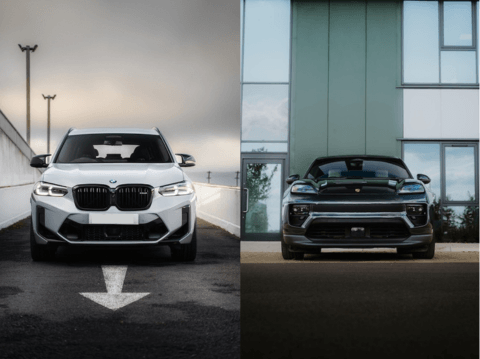
Choosing between the Porsche Macan and the BMW X3 is a common dilemma for drivers looking at the premium compact SUV market. Both models sit at the higher end of their segment, offering strong performance, everyday comfort and unmistakable brand prestige. While they may appear similar on paper, the driving experience and overall character of each SUV is quite different.
This comparison looks at design, performance, interior quality, technology, practicality and running costs to help you decide which SUV better suits your lifestyle.
Design and First Impressions
The Porsche Macan immediately leans into a sportier identity. Its low, wide stance and sloping roofline give it an athletic look that clearly draws inspiration from Porsche’s sports cars. On the road, it feels compact and purposeful, appealing to drivers who want an SUV without sacrificing style or presence.
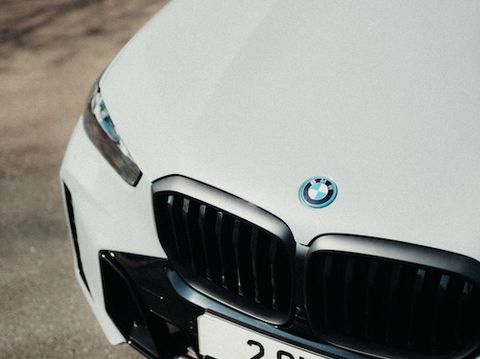
The BMW X3, by contrast, takes a more traditional SUV approach. Its upright proportions, larger glass areas and broader stance give it a confident, refined appearance. It feels designed with versatility in mind, offering a strong balance between luxury and everyday usability.
Performance and Driving Feel
The Macan is positioned as the more performance focused option. Its turbocharged engine range, including punchy four cylinder and stronger six cylinder variants, delivers sharp acceleration and quick throttle response. On the road, the Macan feels agile and engaging, with precise steering and excellent body control. It is widely regarded as one of the most enjoyable SUVs to drive, especially on winding roads.
The BMW X3 offers a broader engine line up, from efficient four cylinder options through to powerful six cylinder and M Performance models. While it can still be quick and capable, the X3 prioritises balance and comfort. It feels composed at motorway speeds and relaxed around town, making it particularly well suited to longer journeys and daily driving.
Drivers who value engagement and handling will naturally lean towards the Macan, while those who prefer a smoother, more relaxed drive will appreciate the X3’s refinement.
Interior Quality and Technology
Inside the Porsche Macan, the cabin feels focused and premium. The driving position is low for an SUV, reinforcing its sporty character. Materials are high quality throughout, and the layout places the driver firmly at the centre of the experience. The infotainment system is modern, responsive and easy to use, although rear passenger space can feel slightly tighter, especially for taller occupants.
The BMW X3 counters with a more spacious and open interior. Rear legroom is generous, and the larger boot makes it more practical for families or frequent long trips. BMW’s iDrive system is one of the strongest in the segment, offering clear menus, fast response times and excellent integration with smartphones and driver assistance features.
Both interiors feel premium, but the Macan focuses on driver engagement while the X3 leans towards space, comfort and technology.
Equipment and Features
Specification levels vary depending on trim and optional extras, but each SUV offers a strong selection of features. The Macan places emphasis on performance focused options such as adaptive suspension, upgraded braking systems and sport oriented packages. These enhance driving feel and allow owners to tailor the car towards a more dynamic setup.
The X3, meanwhile, offers a wide range of comfort and convenience features. Larger infotainment screens, advanced driver assistance systems and panoramic roof options are commonly specified, reinforcing its role as a refined all rounder. Buyers looking for technology and everyday usability may find the X3 better equipped as standard.
Practicality and Everyday Use
When it comes to practicality, the BMW X3 has a clear advantage. Its larger boot and more generous rear seating make it easier to live with, especially for families or those who regularly carry passengers. The ride quality is also more forgiving over uneven road surfaces, making it comfortable for daily use.
The Porsche Macan remains practical enough for most situations, offering good boot space and a well laid out cabin, but it is slightly more compact overall. Around town, its sharper handling makes it feel nimble, though the firmer suspension can be more noticeable on poorer road surfaces.
Running Costs and Ownership
Running costs will vary depending on engine choice and driving style. In general, the BMW X3 tends to deliver slightly better real world fuel economy, particularly in its four cylinder variants. The Macan balances performance with respectable efficiency, but stronger engines will naturally consume more fuel.
Both vehicles sit in higher insurance groups and benefit from manufacturer warranties and service plans. Porsche servicing can be more expensive, reflecting its performance heritage, while BMW ownership costs are often seen as more predictable across the range.
Verdict
Both the Porsche Macan and BMW X3 are outstanding premium SUVs, but they appeal to different types of driver. The Macan is ideal for those who want a sportier feel and genuinely engaging handling in an SUV format. The X3 suits drivers who value space, comfort and technology, while still enjoying strong performance and luxury.
If driving enjoyment is your priority, the Macan stands out. If versatility and everyday refinement matter more, the X3 is hard to beat.
Find Your Next SUV at Saxtons
If you are considering a Porsche Macan or BMW X3, explore our latest stock at Saxtons. Our experienced team can help you find the right model, discuss finance options and arrange a personalised viewing or test drive.
Get in touch today to start your journey.
 4.2
(4,500+ reviews)
4.2
(4,500+ reviews)
 4.5
(11,000+ reviews)
4.5
(11,000+ reviews)
 4.3
(50+ reviews)
4.3
(50+ reviews)