The New Porsche 911 GT3 S/C
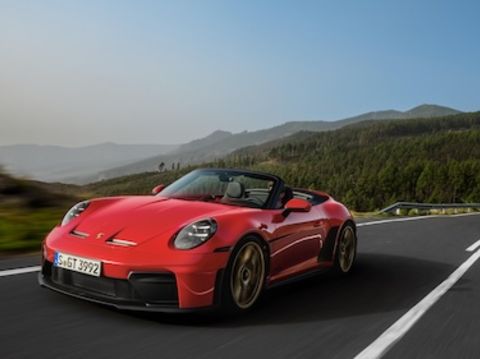
The Porsche 911 GT3 has always stood for one thing, driving feel above everything else. While many performance cars have moved towards hybrid systems and increasing levels of technology, the GT3 continues to take a different route.
With the latest version, Porsche hasn’t changed the formula dramatically. Instead, it’s refined it, focusing on making the car sharper, more precise and even more rewarding to drive.
Built Around the Driving Experience
At the heart of the GT3 is a naturally aspirated flat-six engine, something that’s becoming increasingly rare in modern performance cars. It delivers its power in a way that feels immediate and consistent, with no delay or artificial boost.
What really defines the experience is how the engine responds. It revs freely, encourages you to use the full range and creates a connection that feels more mechanical than digital. It’s not just about how fast it is, it’s about how it gets there.
More Focused, Without Losing Usability
The latest GT3 builds on what previous versions have done well, but with more attention to detail.
The chassis feels tighter and more controlled, with improved balance through corners and a stronger sense of stability at higher speeds. Steering remains one of its standout features, giving clear feedback and making the car feel predictable even when pushed.
Despite that focus, it hasn’t become difficult to live with. It’s still firm, but not uncomfortable. You can use it on the road without feeling like you’re constantly compromising, which is part of what makes it so appealing.
Subtle but Effective Design Changes
Visually, the GT3 hasn’t moved far from its familiar look, but that’s intentional.
The overall shape remains instantly recognisable, with subtle updates that improve performance rather than just appearance. Aerodynamic elements have been refined to increase stability, while the wider stance and lower profile give it a more purposeful feel.
It looks like a car that’s been designed around function first, rather than just styling.
Manual or Automatic, Still a Choice
One of the things that continues to set the GT3 apart is the ability to choose how you drive it.
The manual gearbox offers a more traditional, hands-on experience. It’s slightly slower on paper, but for many, it’s the more engaging option on the road.
The automatic alternative is faster and more precise, particularly if you’re looking to use the car on track. It shifts quickly and allows you to focus more on the driving itself.
Having both options available keeps the GT3 relevant for different types of drivers.
A Car That Still Feels Analogue
In a market where performance cars are becoming more digital, the GT3 still feels relatively analogue.
You’re more involved in the process. You feel more of what the car is doing. It’s less about filters and more about connection.
That’s what makes it stand out. It’s not chasing trends, it’s staying focused on what it’s always done best.
Where It Sits Today
The performance car market has changed a lot, but the GT3 still occupies a unique position.
It’s not the most powerful. It’s not the most comfortable. But it offers something that many cars have moved away from, a pure driving experience that feels consistent and deliberate.
For those who value how a car feels over what it claims on paper, it remains one of the strongest options available.
The new Porsche 911 GT3 is a continuation of a formula that already works.
It’s sharper, more refined and more capable, but it hasn’t lost what made it special in the first place. It still feels like a car built around the driver, rather than built around expectations.
In a segment that’s moving quickly, that consistency is exactly what keeps the GT3 relevant.
 4.1
(3,000+ reviews)
4.1
(3,000+ reviews)
 4.6
(8,000+ reviews)
4.6
(8,000+ reviews)
 4
(250+ reviews)
4
(250+ reviews)